
Consistent Fireplace Performance Starts Before Something Fails
Fireplace maintenance plans in Akron for homeowners and property managers who need scheduled service to keep gas, wood, and electric systems operating correctly
Unscheduled fireplace failures tend to follow a predictable pattern: a component degrades gradually over multiple heating cycles, shows a minor symptom that gets dismissed, and then stops working at the point when the system is being used most. Fireplace Mike structures maintenance plans specifically to interrupt that cycle by putting routine inspection and servicing on a defined schedule rather than leaving it to the homeowner to recognize when something is wrong. This approach is especially relevant for Akron-area properties, where a significant portion of the housing stock includes homes built between the 1950s and 1980s with original masonry fireplaces or early-generation gas inserts that have accumulated years of operational wear without formal service records.
A maintenance plan through Fireplace Mike covers scheduled visits that include cleaning the firebox and glass, inspecting the flue and venting path, checking gas valve and ignition function on gas systems, and identifying any component wear before it progresses to a failure. The sequencing of those tasks matters: cleaning before inspection allows the technician to see the actual surface condition of the firebox and liner rather than evaluating through soot accumulation.
Request a maintenance plan consultation to determine which service frequency and scope fits your fireplace type and how often you currently use the system.
What Scheduled Maintenance Actually Prevents
Routine maintenance catches the categories of problems that produce the most disruptive outcomes when left unaddressed. On gas fireplaces, thermopile degradation is one of the most common findings during a scheduled visit—the thermopile generates the voltage that holds the gas valve open, and as output drops, the system begins to exhibit delayed ignition or random shutoffs before it eventually fails to stay lit at all. Catching reduced thermopile output during a planned visit means replacing a single inexpensive component rather than diagnosing an outage mid-use. On wood-burning systems and masonry fireplaces, creosote accumulation in the flue is the primary finding, and the rate at which it builds depends on how the wood is burned as much as how often the fireplace is used.
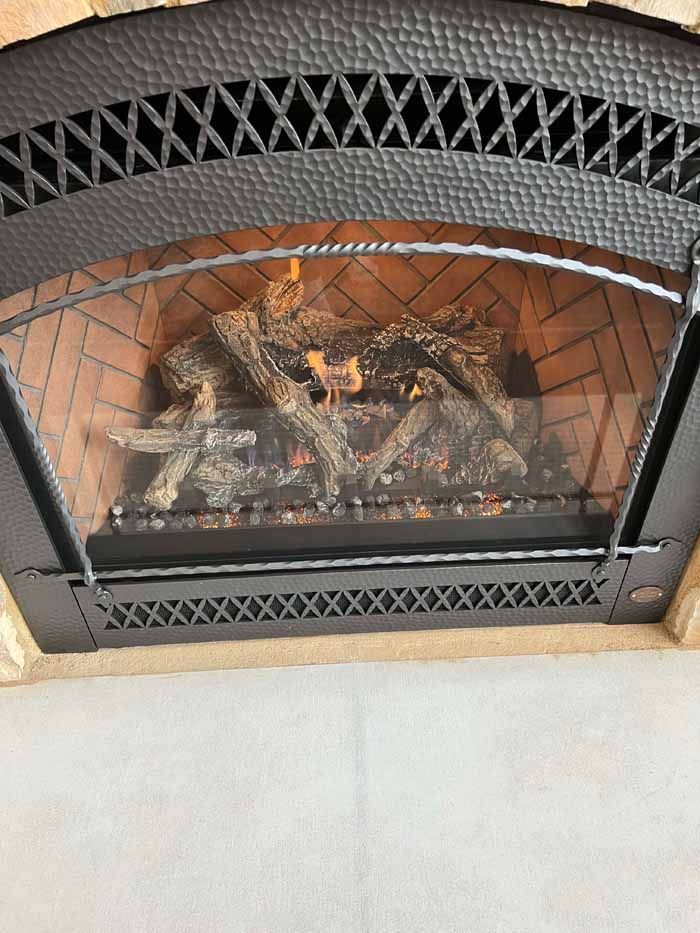
After a completed maintenance visit, the observable changes are specific: the glass on a gas fireplace clears significantly when burner combustion is properly calibrated and the glass is cleaned with appropriate materials, flame height and color normalize when the burner bed is cleaned and adjusted, and draft performance on wood systems improves when the flue is clear of obstruction. Homeowners who have experienced intermittent performance issues often find those issues resolved after the first scheduled service visit rather than requiring component replacement.
Maintenance plans can be structured around a single annual visit or a more frequent schedule depending on how heavily the fireplace is used and whether the system is gas, wood-burning, or electric. Properties with multiple fireplaces, including multi-unit buildings or larger homes with both a primary and secondary fireplace, can consolidate service into a single visit to reduce scheduling overhead.
Answers About How Maintenance Plan Service Works
Maintenance plans raise practical questions about what the service covers, how it fits into a property's existing condition, and what distinguishes a scheduled maintenance visit from a one-time repair call. The answers below address those service-specific points directly.
What does a fireplace maintenance visit include for a gas insert?
The visit covers cleaning the glass panels, inspecting and cleaning the burner and media bed, testing ignition and valve function, checking the thermopile and thermocouple output, and verifying that the venting path is clear and properly sealed at all joints.
How is a wood-burning fireplace evaluated differently from a gas system during a maintenance visit?
Wood-burning systems require flue inspection for creosote staging and liner integrity in addition to firebox cleaning. Creosote is classified by deposit type—loose and flaky deposits behave differently from glazed creosote—and the cleaning method used depends on which type is present.
Why does the sequence of cleaning before inspection matter for fireplace maintenance?
Cleaning first removes the surface accumulation that can obscure crack development in firebrick, deterioration at mortar joints, or early-stage liner damage. Inspecting a dirty firebox means evaluating through material that actively hides the conditions the inspection is meant to find.
What should a homeowner do between scheduled maintenance visits if the fireplace shows an unusual symptom?
Document what the system is doing—delayed ignition, unusual flame color, odor, or a pilot that won't hold—and note whether it happens every cycle or intermittently. That information makes the diagnostic portion of the next scheduled visit faster and more accurate.
How does the age of a fireplace affect what a maintenance plan covers in older Akron homes?
Homes built in the mid-twentieth century often have original masonry construction with clay tile flue liners. Those liners develop mortar joint separation over time, and a maintenance plan that includes annual flue inspection catches that progression at a point where repair is still straightforward rather than requiring full relining.
Fireplace Mike also provides fireplace maintenance plans in Canton and the surrounding areas. To set up a plan that fits your system type and use pattern, contact Fireplace Mike to review the current condition of your fireplace and establish a service schedule.