
Controls That Match How the Fireplace Works
Fireplace remotes and controls in Akron for gas and electric systems requiring reliable ignition and flame management
Many gas fireplaces installed in Akron homes over the past three decades were equipped with basic manual controls or standing pilot systems that have since been discontinued, replaced by incompatible parts, or left functioning poorly because the original control wiring was never configured correctly. Fireplace Mike installs, replaces, and troubleshoots fireplace remotes and controls in Akron for homeowners whose systems will not ignite on command, respond inconsistently to thermostat inputs, or have controls that no longer match the valve systems they are supposed to operate. The connection between a remote control system and a fireplace valve is not plug-and-play — receiver compatibility, signal frequency, and wiring configuration all have to match the specific valve and ignition system in the fireplace.
Control system work begins with identifying the existing valve type — whether it uses a millivolt, IPI (intermittent pilot ignition), or standing pilot system — because each is compatible with a different range of remote and thermostat control products. A millivolt system, which generates its own small electrical current from the standing pilot, can operate a simple on/off remote without external power. An IPI system requires a battery-powered receiver and a remote matched to that receiver's signal protocol. Mixing these up is the most common reason a newly installed remote fails to operate the fireplace reliably.
Set up a service appointment to have your existing fireplace control system evaluated and matched to a remote or thermostat that is compatible with your valve type.
The Difference Between Working Controls and Installed Controls
Installing a remote receiver and pairing it to a handset is only part of what makes a fireplace control system work correctly. The receiver must be wired to the correct terminals on the valve — typically the TH/TP or TH terminals depending on the valve model — and the wiring must be routed without pinching or heat exposure from the burner assembly. An incorrectly wired receiver may appear to function initially but will produce intermittent operation, delayed response, or complete failure as the wiring degrades or as the receiver loses communication with the handset due to signal interference.
After a correctly installed control system is operating, you will notice that the fireplace ignites on the first command without multiple attempts, holds the flame state you selected without cycling on and off unexpectedly, and — when a thermostat control is used — modulates based on the room temperature reading rather than requiring manual adjustment. The handset should pair to the receiver without signal dropout at normal room distances from the fireplace.
Fireplace Mike also installs smart home-integrated control systems for fireplaces that are compatible with Wi-Fi or Z-wave platforms, which allows the fireplace to be controlled through a home automation app or voice assistant — a different installation process than a standard RF remote that requires confirming the fireplace valve and ignition system can support the interface without an intermediate relay device..
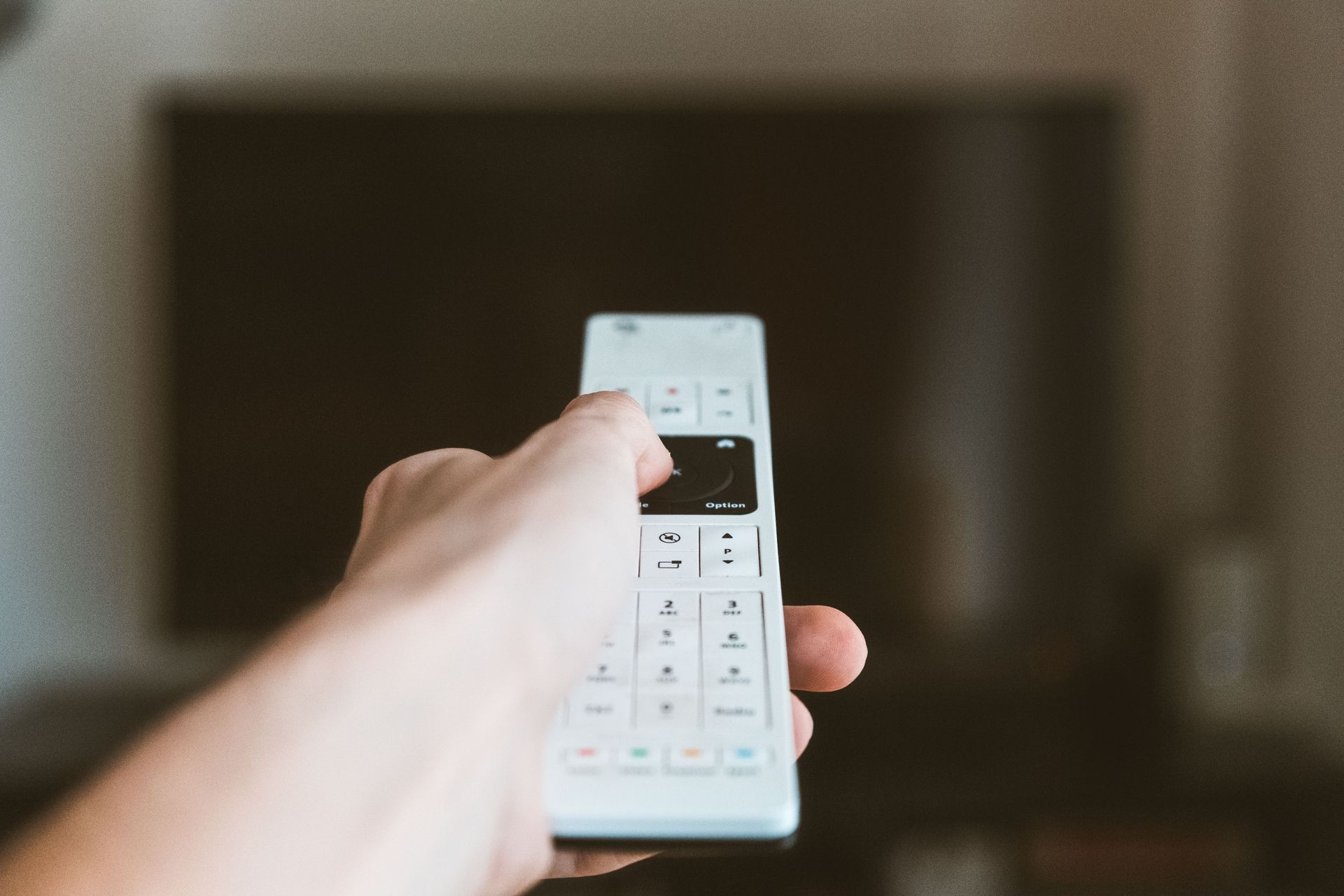
Questions Before Starting Your Control System Project
Fireplace control systems vary considerably based on how the fireplace was originally built and what valve and ignition system it uses. These questions address the specifics of how control system work is assessed and completed.
- How do you determine which remote or control system is compatible with an existing gas fireplace? Compatibility starts with identifying the valve type and ignition system — millivolt, IPI, or standing pilot — because those determine which receiver and remote combinations will actually operate the valve correctly rather than just appearing to pair.
- What causes a fireplace remote to stop working after it was previously reliable? The most common causes are receiver battery failure, signal pairing loss between the handset and receiver (which requires re-pairing), and wiring connection loosening at the valve terminals — all of which are assessed before replacing the control system, since replacement without diagnosis often reproduces the same fault.
- How is a wall-switch thermostat control wired into a gas fireplace system? A thermostat control connects to the valve at the TH terminals and replaces or supplements the on/off switch function — the thermostat reads room temperature and signals the valve to open or close based on the set point, which requires the valve to be in a compatible mode and the wiring run to be protected from the firebox heat path.
- What does correct installation of a remote receiver inside the fireplace involve? The receiver is mounted within the firebox or control compartment in a position that avoids direct heat exposure from the burner, wired to the correct valve terminals with appropriately rated wire, and tested through multiple ignition and shutdown cycles to confirm consistent signal response before the installation is considered complete.
- Why do some fireplace remote systems work on initial setup but fail intermittently afterward? Intermittent failure usually points to signal interference from other RF devices in the home, a marginal battery state in the receiver or handset, or a wiring connection at the valve that is loose enough to pass initial testing but loses contact under the thermal cycling the firebox goes through during normal use.
Fireplace Mike also installs and services fireplace remotes and controls in Canton and surrounding communities. To move forward, schedule a service visit so the existing valve, ignition system, and wiring configuration can be assessed and the correct control solution can be identified for your fireplace.